What Is It? Pain Simulator Am I a Candidate? Trial & Implant Request Consultation
Neuromodulation · Division of Spine and Spine Tumor Neurosurgery
Interactive Patient Education

Understanding
Spinal Cord Stimulation
for Chronic Pain

When chronic nerve pain has not responded to medication, injections, or surgery, a small implanted device may quiet the pain signals before they reach your brain. Explore how it works, how the different waveforms feel, and how you would test it with a trial before committing to an implant.

IPG Epidural lead Rechargeable battery

What Is Spinal Cord Stimulation?

A way to manage chronic pain by changing the pain signal itself, rather than repairing the structure that started it. A thin lead sits in the epidural space and delivers gentle electrical pulses to the back of the spinal cord, interrupting pain signals before they reach the brain.

01

Trial First

A 5 to 7 day outpatient trial with temporary leads lets you test real pain relief before committing to a permanent implant.

02

Reversible

The device can be turned off, reprogrammed, or removed at any time. There are no permanent structural changes to your spine.

03

Programmable

Multiple waveforms — tonic, burst, and HF10 — can be tuned to your pain pattern and to what feels best for you.

Pain Signal Simulator

Pain signals travel up the spinal cord to the brain. A spinal cord stimulator sits in the epidural space and interrupts those signals before they arrive. Change the stimulation mode and watch what happens.

Interactive · Try It

Pain Signal Simulator

Select a stimulation mode below. Watch the red pain pulses travel up the cord, see how many still reach the brain, and read what the mode would feel like. When a mode is on, use the sliders to adjust frequency and amplitude.

Pain reaching brain
100%
You would feel
Full pain sensation reaches the brain — this is the baseline without stimulation.
Stimulation waveform
Best forBaseline comparison — showing what happens when the device is off.

This simulation is a simplified, educational illustration of how stimulation waveforms interact with pain signaling. It is not a measurement of your own pain or a prediction of your result.

Am I a Candidate?

SCS works best for nerve-related (neuropathic) pain in the arms or legs that has not responded to other care. The trial is itself the best test of candidacy.

Good Candidate

  • Chronic neuropathic pain lasting longer than six months
  • Pain that has not responded to conservative care (physical therapy, medications, injections)
  • A clear psychological evaluation without untreated depression or anxiety
  • No active infection or bleeding disorder
  • Able to charge and manage a small implanted device
  • Realistic expectations about outcomes: SCS reduces pain, it rarely eliminates it

Less Ideal

  • Predominant axial mechanical back pain (SCS works best for radicular and neuropathic pain)
  • Untreated psychiatric conditions
  • Active spinal cord compression that could progress
  • Not a suitable candidate for the implant procedure overall
  • Certain implanted cardiac devices (a case-by-case consideration)

Trial First, Then Implant

The great advantage of SCS is that you get to try it before you commit. A short trial predicts whether a permanent implant will help.

Step 1

Consultation & Imaging

A detailed pain history, exam, psychological evaluation, and review of your imaging to confirm SCS is a sensible option.

Step 2

Trial Procedure

An outpatient procedure. Temporary leads are placed through a needle under live X-ray (fluoroscopy), typically in about 30 minutes.

Step 3

5 to 7 Day Trial

You go home with an external stimulator and test real relief during your normal activities, keeping track of how you feel.

Step 4

Permanent Implant

If the trial gives meaningful relief (generally at least 50%) and better function, the permanent leads and battery (IPG) are placed as an outpatient.

What Outcomes Can Patients Expect?

Because you trial the therapy first, SCS has an unusually honest built-in filter: most people who proceed to an implant do so because they already felt it work.

≥50%
Trial Success Threshold
A permanent implant is offered when the trial delivers at least about 50% pain relief and improved function.
Reversible
Adjustable Over Time
Programming can be re-tuned as your pain changes, and the device can be turned off or removed if it no longer helps.

Risks and Honest Trade-offs

SCS is generally low-risk, but no procedure is risk-free. The most common issues relate to the hardware: a lead can shift out of position (lead migration), which may change or reduce coverage and sometimes needs adjustment; the battery eventually needs recharging and, after years, replacement. Other risks include infection, bleeding, pain at the battery pocket, and, uncommonly, a small tear in the lining around the nerves (dural puncture) causing a headache. Rarely, the therapy simply does not provide lasting relief, which is exactly what the trial is designed to reveal before an implant.

SCS also affects future imaging and devices: your team will counsel you about MRI compatibility (many modern systems are MRI-conditional) and interactions with other implanted devices. Because the trial is reversible and low-commitment, it lets you weigh real benefit against these trade-offs before deciding.

Common Questions

Will I feel the stimulation?
It depends on the waveform. Traditional (tonic) stimulation replaces the painful area with a gentle tingling called paresthesia, and many people find that comfortable and reassuring. Newer waveforms such as burst and HF10 are designed to relieve pain without any tingling at all. You can explore how each mode feels in the Pain Signal Simulator above, and during your trial you find out first-hand which you prefer.
What is the difference between tonic, burst, and HF10?
They are different patterns of electrical pulses. Tonic is the classic waveform and usually produces tingling that covers the painful area. Burst delivers tightly packed groups of pulses and is typically paresthesia-free, addressing both the sensation and the distress of pain. HF10 uses very high-frequency (10,000 Hz) stimulation that is felt as nothing at all while pain diminishes. Modern devices can switch between them, and your team helps find what works best for you.
What happens during the trial?
The trial is a short, outpatient test. Thin temporary leads are placed through a needle into the epidural space under live X-ray, without any incision, and connected to an external stimulator you wear. You go home and live normally for about 5 to 7 days, noting your pain and function. At the end the temporary leads are simply removed. If the trial helped meaningfully, you can proceed to a permanent implant; if not, nothing permanent was placed.
Does SCS cure my pain?
No. SCS is a therapy to manage pain, not a cure for its underlying cause. The realistic goal is a meaningful, lasting reduction in pain and an improvement in what you can do day to day. Many patients also reduce their pain medications. Setting this expectation up front is part of a good outcome.
What kind of pain does it help most?
SCS works best for neuropathic (nerve-related) pain, especially radiating leg or arm pain, including persistent pain after spine surgery. It is generally less effective for purely mechanical, axial back or neck pain. Matching the type of pain to the therapy is a key part of deciding whether SCS is right for you.
Can I still get an MRI or travel with the device?
Many modern SCS systems are MRI-conditional, meaning MRIs can be done under specific settings; your team will give you a card describing your exact device and its limits. The device may set off airport security detectors, so you carry an identification card. These practical points are reviewed with you before implant.
What if it stops helping later?
Because SCS is programmable and reversible, a lot can be done. The stimulation can be reprogrammed or switched to a different waveform as your pain changes, a shifted lead can sometimes be revised, and if the therapy no longer helps, the device can be turned off or removed. You are not locked in.

Who We Are

This educational resource was developed by Brown Neurosurgery to help patients and families understand spinal cord stimulation for chronic pain. Our neuromodulation team works alongside pain management, physiatry, and psychology to make sure SCS is offered to the right patients, and to support you through the trial, implant, and long-term programming.

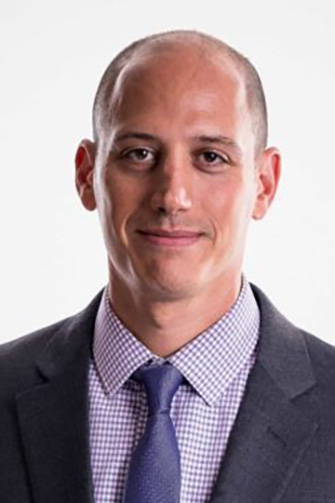
Trial Team

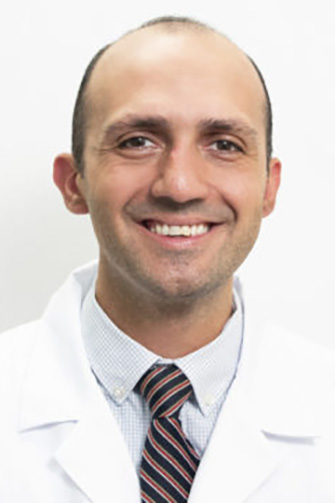
Norman Prince Spine Institute — they evaluate your candidacy and place and manage the temporary trial.
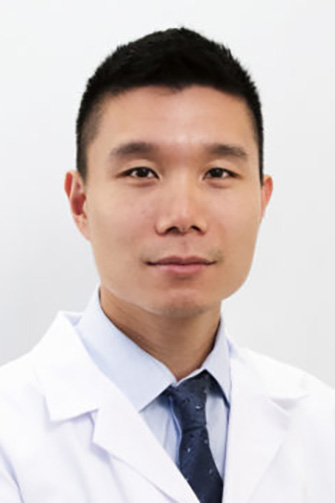
Implant Team

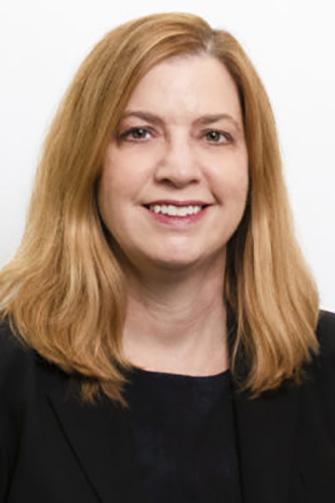
Neurosurgery — they perform the permanent implant once the trial confirms meaningful relief.

For full faculty profiles, visit the Brown Neurosurgery website.
What Is It? Pain Simulator Candidacy The Path Outcomes FAQ