Does "failed" mean my surgery was done wrong?
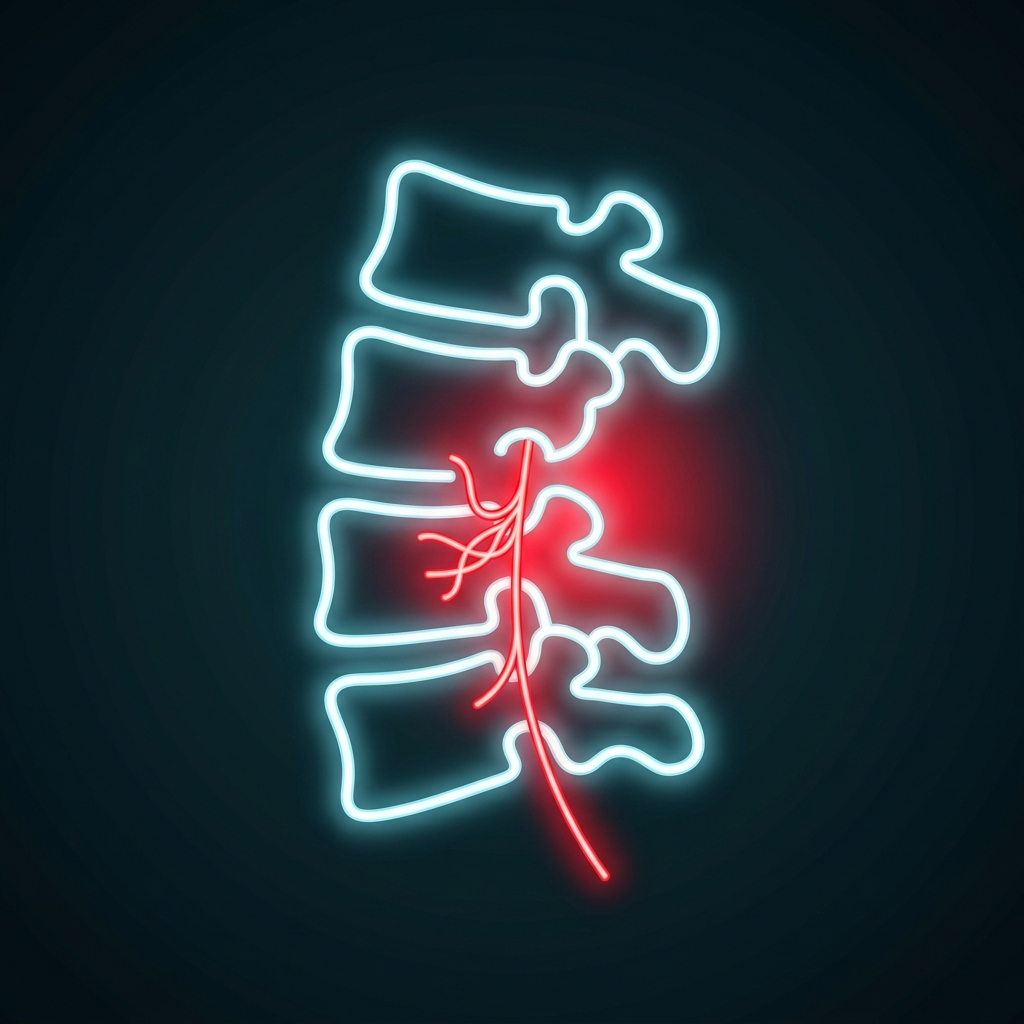
No. Failed back surgery syndrome describes pain that persists or returns, not a mistake in the operating room. An operation can be technically excellent and still leave pain behind, because surgery fixes a structure while pain can come from scar tissue, a nerve that has been irritated for a long time, changes at nearby levels, or a combination. The label is about the outcome for your pain, not a judgment of the surgeon or of you.
Why would injections help if surgery did not?
Surgery and injections do different jobs. Surgery removes pressure on a nerve; injections calm inflammation and can quiet a specific pain generator such as an irritated nerve root, a facet joint, or the sacroiliac joint. Injections are also diagnostic: if numbing a particular structure relieves your pain, that tells your team where the pain is coming from and guides the next step. Relief from injections is often temporary, so they work best as one part of a broader plan rather than a permanent fix.
What is the difference between spinal cord and DRG stimulation?
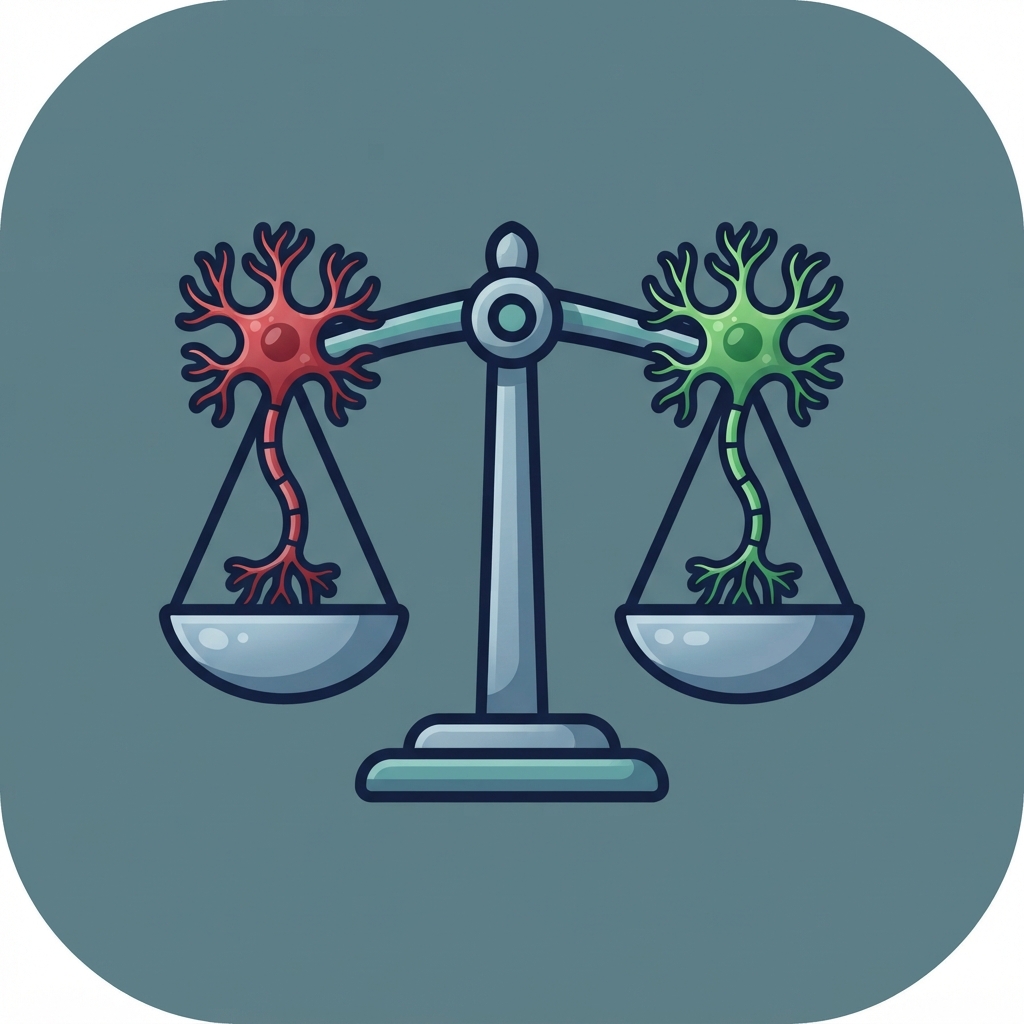
Both deliver gentle electrical pulses to interrupt pain signals, and both use a trial-first, reversible approach. Spinal cord stimulation places a lead over the back of the spinal cord and covers broader areas, such as pain spread across a whole leg or both legs. DRG stimulation targets the dorsal root ganglion, a small cluster of nerve cell bodies for one specific region, so it excels at focal, hard-to-reach pain in a single area like the foot, knee, or groin. You can compare them side by side in the "Spinal Cord vs. DRG Stimulation" section above.
Will a stimulator cure my pain?
No. Stimulation is a therapy to manage pain, not a cure for its underlying cause. The realistic goal is a meaningful, lasting reduction in pain and an improvement in what you can do day to day, and many patients also reduce their pain medications. Because you try it with a temporary trial first, you get to find out whether it delivers that kind of relief for you before anything permanent is placed.
What kind of pain responds best to stimulation?
Nerve-type (neuropathic) pain, especially radiating leg pain, tends to respond best, including persistent leg pain after spine surgery. Purely mechanical, deep back pain that changes with movement is generally less responsive to traditional stimulation, though newer waveforms have improved results for back pain. Matching the type and location of your pain to the right therapy is a central part of deciding whether stimulation is likely to help.
Do I have to have another surgery, or can I avoid it?
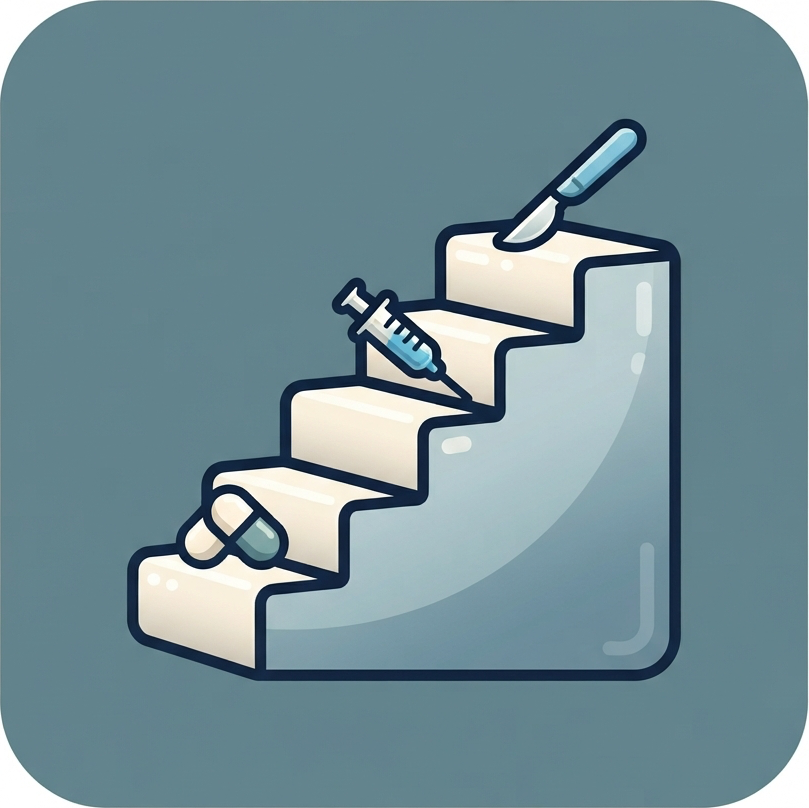
Most people with failed back surgery syndrome are managed without another major operation. Further surgery is reserved for clear, fixable structural problems that match your symptoms, or for urgent findings such as new weakness or loss of bladder or bowel control. A stimulator implant is a much smaller, reversible procedure than a repeat spine surgery. Your team will only recommend more surgery when there is a specific target it can address.
Why is a psychological evaluation part of this?
Chronic pain and mood are deeply connected, and depression, anxiety, and sleep problems are common with long-standing back pain. A psychological evaluation is not a test of whether your pain is real; it is a standard part of getting the best result. Treating mood, sleep, and coping alongside the physical pain improves outcomes from injections and stimulation alike, which is why Brown uses a team that includes psychology and pain management, not just a surgeon.
Can I still get an MRI later with a stimulator?
Often yes. Many modern stimulation systems are MRI-conditional, meaning MRI scans can be done under specific settings; your team gives you a card describing your exact device and its limits. The device may also set off airport security detectors, so you carry an identification card. These practical points are reviewed with you before any permanent implant.